
Sitemap
A list of all the posts and pages found on the site. For you robots out there, there is an XML version available for digesting as well.
Pages
Posts
I Got Tired of Joining ISO 639-3 to Glottolog by Hand, So I Built low
Published:
Language codes, families, scripts, speaker counts and endangerment status live in seven different open datasets. low merges them into one Python object graph - and putting the sources side by side reveals some surprising disagreements.
open_source
Didgelab
Published:
DidgeLab is a free open-source toolkit to compute didgeridoo geometries. Traditionally, building a didgeridoo is a random process: builders know how geometry influences the sound, but the exact sonic properties can only be determined after the instrument is built. DidgeLab helps by first defining the desired sound and then computing a geometry that (in simulation) achieves it.
Crawlzilla
Published:
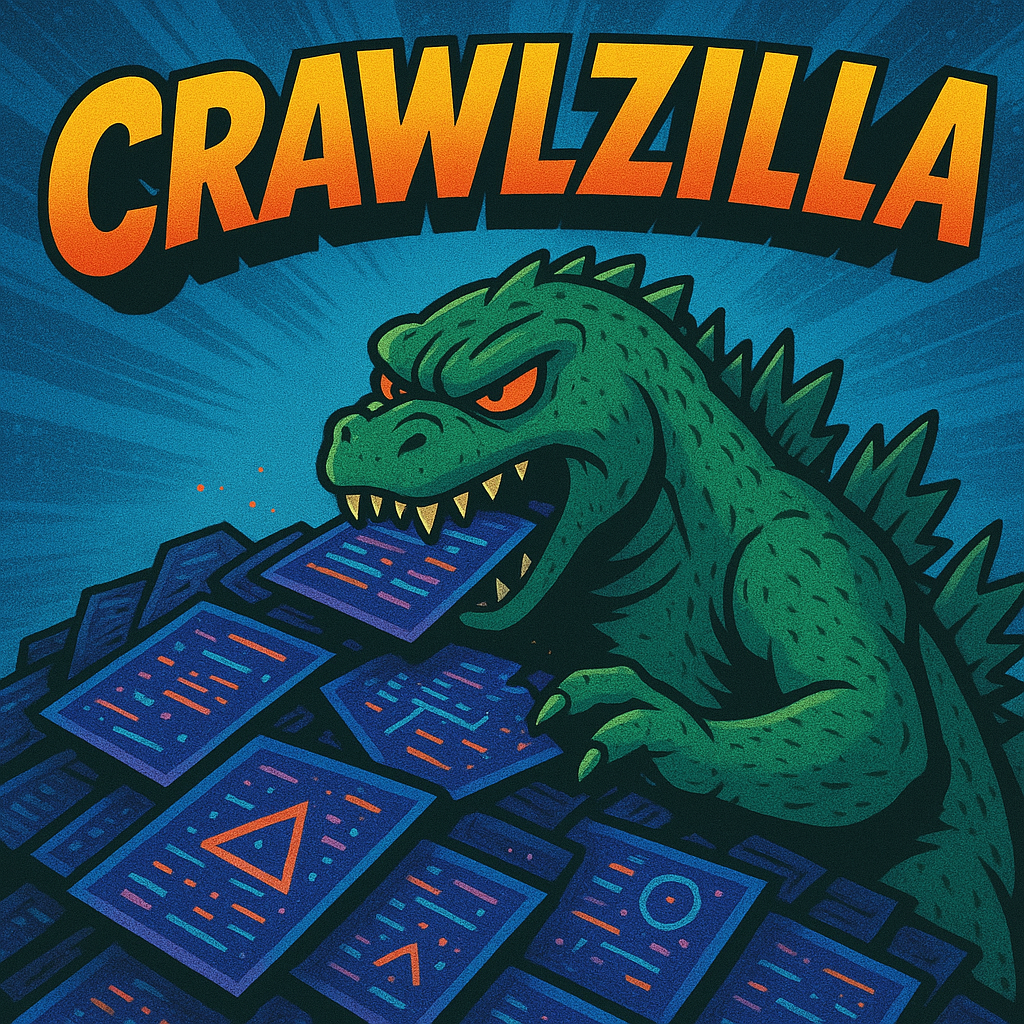
The Large Language Models that we build are only as capable as the data they consume. For high-resource languages, finding massive, clean datasets is largely a solved problem. But when building models for low-resource languages, we kept hitting the same bottleneck: we needed a more agile way to crawl, extract, and structure web data to build our own training corpora. To solve this, I’m excited to share my latest open-source project: Crawlzilla.
Loom: LLM Batch Processing Made Easy
Published:
In my daily work, I often need to process whole datasets with LLMs. This required my to always write the same code again. Many LLM providers like Google or OpenAI have special batch APIs, that reduce the token cost by 50%, but these was always too complicated to use. Therefore, I created Loom. Loom is a Python command line tool that makes batch processing easy.
Languages of the World
Published:
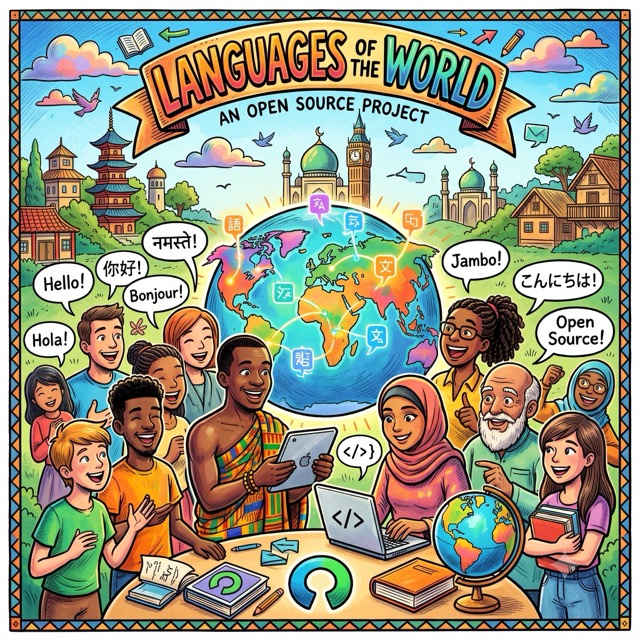
When developing open-source models and datasets for low-resource languages like Kinyarwanda, I consistently ran into the same architectural bottleneck: linguistic metadata is scattered everywhere. Whether you need ISO 639-3 codes, Glottolog family trees, or regional speaker counts, the data is typically siloed across mismatched CSVs, XML files, and SPARQL endpoints. Working as computational linguist with many languages, I needed a way to instantly access and cross-reference this global information without building custom data wrangling pipelines for every new NLP project.
portfolio
FREME Project
Published:
Led a 15-person international team transferring multilingual semantic NLP technologies to industry; rated excellent by the EU.
dfki.de Website Relaunch
Published:
Tech-led the relaunch of DFKI’s institutional website — over 180,000 pages across 25 research departments — on time and on budget.
Retail Conversational Information System
Published:
Built a Rasa-based in-house chatbot so retail employees could ask questions and get answers from internal company knowledge.
Legal Semantic Search Platform
Published:
Implemented a semantic search platform that finds legal documents by meaning rather than exact keyword matches.
Federated Chatbots Consultancy
Published:
Advised a major German IT company on federated multi-agent chatbot architecture and improved their modeling and evaluation pipeline.
AI Infrastructure & Efficient LLM Deployment
Published:
Shortly after ChatGPT’s release, the first open-source LLMs started appearing - and almost immediately ran into a practical problem: there was no standard, reliable way to actually deploy them. Every model came with its own quirks, hardware requirements, and setup process. I initiated an open-source project to build a deployment platform that made running these models a solved problem rather than a fresh engineering exercise every time.
Project-Based Learning: Chatbot Challenge
Published:
Designed and led project-based TU Berlin courses where students shipped working chatbots — from tourism bots and games to systems that train people against science denial.
German Municipal RAG Chatbot
Published:
Built a RAG chatbot that gives citizens conversational, sourced answers about German municipal services from official documentation.
Rwanda National GPU Data Center
Published:
Helped Rwanda with its first dedicated GPU server and conceptualize a national HPC center for sovereign public-sector AI.
Tunga Agricultural Chatbot
Published:
A Kinyarwanda telephone voicebot that answers farmers’ questions from verified agricultural knowledge. Now used in Rwanda’s Ministry of Agriculture call center.
publications
Paper Title Number 1
Published in Journal 1, 2009
This paper is about the number 1. The number 2 is left for future work.
Recommended citation: Your Name, You. (2009). "Paper Title Number 1." Journal 1. 1(1).
Download Paper | Download Slides | Download Bibtex
Paper Title Number 2
Published in Journal 1, 2010
This paper is about the number 2. The number 3 is left for future work.
Recommended citation: Your Name, You. (2010). "Paper Title Number 2." Journal 1. 1(2).
Download Paper | Download Slides
Paper Title Number 3
Published in Journal 1, 2015
This paper is about the number 3. The number 4 is left for future work.
Recommended citation: Your Name, You. (2015). "Paper Title Number 3." Journal 1. 1(3).
Download Paper | Download Slides
Paper Title Number 4
Published in GitHub Journal of Bugs, 2024
This paper is about fixing template issue #693.
Recommended citation: Your Name, You. (2024). "Paper Title Number 3." GitHub Journal of Bugs. 1(3).
Download Paper
Paper Title Number 5, with math \(E=mc^2\)
Published in GitHub Journal of Bugs, 2024
This paper is about a famous math equation, \(E=mc^2\)
Recommended citation: Your Name, You. (2024). "Paper Title Number 3." GitHub Journal of Bugs. 1(3).
Download Paper
talks
Invited talk: Bridging the Gap – Enhancing LLMs for Low Resource Languages
Published:
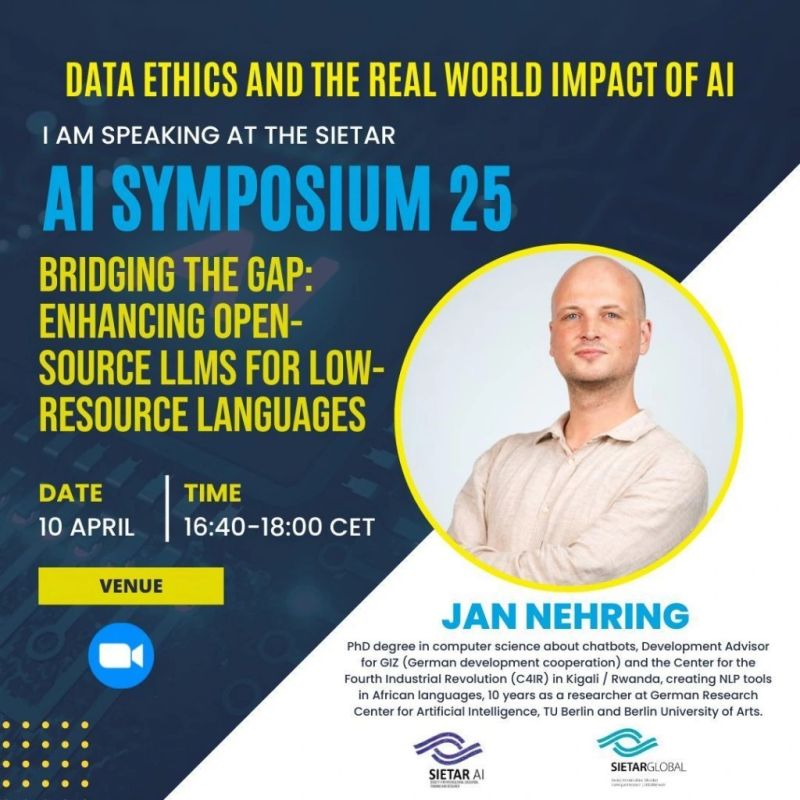
I gave a talk at the AI Symposium of Sietar and presented my work on building Large Language Models for African languages.
Keynote: The Rwandan Agricultural Chatbot
Published:
GIZ Morocco invited me to hold the keynote “Lessons learned from the Rwandan Agricultural Chatbot” for the online event “Artificial Intelligence Webinar”.
Invited Talk: Why Demand Matters to Supply: Lessons learned from the Rwandan Governmental HPC Cluster
Published:
The Mozilla Foundation invited me to present my work about building the Rwandan governmental High Performance Compute Cluster for digital sovereignity and AI built and deployed in Rwanda. My presentation was part of the workshop “Africa Compute Initiative Inception Workshop”.
Invited Talk: Tunga: The Rwandan Agricultural Chatbot
Published:
GIZ Cairo invited me to present our Rwandan chatbot to GIZ Egypt and the Ministry of Agriculture and Land Reclamation.
teaching
Teaching experience 1
Undergraduate course, University 1, Department, 2014
This is a description of a teaching experience. You can use markdown like any other post.
Teaching experience 2
Workshop, University 1, Department, 2015
This is a description of a teaching experience. You can use markdown like any other post.